Why Physiotherapy Should Be Active, Personal and Hands On
- Dr. Joshua Konu
- 6 days ago
- 8 min read

By Dr. Joshua Konu, Clinical Director of Invicta Performance
“I’ve tried physiotherapy before, but it didn’t really help.”
I hear this often. When I ask what the appointment looked like, the story is usually similar. A heat pack. A TENS machine. One or two exercises. Then 20 minutes alone in a room while the clock runs out.
Heat and electrical therapy can help in the right situation. They may reduce discomfort enough to make movement easier. The issue is when they become the whole plan.
Pain, injury, and performance problems usually need more than passive treatment. They need a clear assessment, a plan that fits the person, and direct coaching through the movements that matter. Good physiotherapy should feel active, personal, and hands on.

Passive treatment has a place, but it should not be the whole appointment
There is nothing wrong with using heat, ice, taping, soft tissue work, or electrical stimulation when they make sense. These tools can calm symptoms, improve comfort, or help someone tolerate movement early in recovery.
The problem starts when passive care replaces active care.
If a person comes in with knee pain from running, low back pain from lifting, shoulder pain from sport, or neck pain from long workdays, the goal should not be to simply feel better for an hour. The goal should be to understand what is driving the problem and build a path back to normal life.
That usually means asking better questions and watching how the body moves.
A heat pack cannot tell us why stairs hurt. A machine cannot show whether the hip, ankle, or knee is changing a running stride. A generic stretch cannot explain why the same issue returns every few months.
Passive treatment may help prepare the body for work, but the work still matters.
That work can include:
Strengthening weak or underused muscles
Rebuilding range of motion
Improving balance, control, or coordination
Practising the movements needed for work, sport, or daily life
Gradually increasing load so the body can tolerate more
For an athlete, that might mean returning to sprinting, cutting, jumping, lifting, or throwing. For someone with a physically demanding job, it might mean carrying, kneeling, reaching overhead, or moving confidently through a full shift. For someone dealing with everyday pain, it might mean getting in and out of a car, sleeping better, or walking without guarding every step.
The treatment should match the goal.
A general exercise sheet rarely tells the whole story
Many people leave a clinic with the same sheet of exercises given to dozens of others with the same body part circled. Shoulder pain gets a shoulder sheet. Low back pain gets a low back sheet. Knee pain gets a knee sheet.
That approach misses the bigger picture.
The same painful area can have different causes. Two people with similar symptoms may need very different plans.
One person with knee pain may need hip strength. Another may need ankle mobility. Another may need changes in training volume. Another may need help restoring confidence after an injury. Another may be doing the right exercise, but with the wrong load, tempo, or technique.
That is why a good assessment looks beyond the label.
At Invicta Performance, we want to understand:
When the problem began
What movements or activities make it worse
What makes it better
What training, work, or lifestyle demands matter most
What activities have been stopped or modified
What recovery should actually look like for that person
Those answers guide the plan.
A person who wants to return to recreational soccer needs different progressions than someone who wants to lift their child without back pain. A runner training for a race needs different loading than someone recovering from a flare-up after gardening. A gym-goer who wants to deadlift again needs different coaching than someone who mainly wants to sit, stand, and walk comfortably through the day.
Personal care does not mean complicated care. It means the plan fits the person in front of us.
Sometimes the right plan starts with simple movements. The difference is that those movements are chosen for a reason, coached well, and progressed when the body is ready.

Hands-on care means staying present and coaching the details
A common frustration with past treatment is feeling left alone.
The patient gets placed on a machine or given a movement to try, then the provider disappears. That can make the appointment feel generic. It can also allow small movement errors to repeat for the whole session.
At our clinic, we believe the physiotherapist should stay engaged throughout the appointment.
That does not mean every second needs to involve manual therapy. Hands-on care means the clinician is present, watching, cueing, adjusting, and responding. It means the session is guided, not outsourced to a sheet of paper.
This matters because an exercise can look simple and still be easy to miss.
A squat might change based on foot pressure, hip position, depth, speed, or where the person feels the effort. A shoulder raise might need a change in rib position, grip, angle, or range. A lunge might feel painful until the step length, trunk angle, or knee path is adjusted.
These changes are not cosmetic. They can affect pain, confidence, muscle recruitment, and progress.
Direct coaching helps answer questions in real time:
Is this discomfort expected or a warning sign?
Should the movement be easier or harder?
Is the right area doing the work?
Should the range be shortened today?
Is the person ready to add resistance?
Does the exercise match the goal?
When the physiotherapist stays with the person, the plan can change during the session. If a movement irritates symptoms, it can be modified. If it feels too easy, it can be progressed. If the person is unsure, the clinician can coach until the movement feels clear.
That is where trust grows.
Active treatment helps people build capacity, not just chase pain relief
Pain relief matters. Nobody wants to stay in pain longer than necessary. Still, treatment should not stop at reducing symptoms.
The bigger goal is capacity.
Capacity means the body can handle the demands placed on it. That might include lifting groceries, sitting through a workday, running five kilometres, returning to hockey, pushing through gym sessions, or getting back to a physical job.
Pain often drops before the body is fully ready. That can be tricky. Someone may feel better after a week or two and return to full activity too quickly. The symptoms return, and the cycle starts again.
Active treatment helps fill that gap.
The plan should build from where the person is now toward where they need to be. That may include:
Early movements to calm symptoms and restore confidence
Strength work to improve tissue tolerance
Balance or control drills to improve movement quality
Sport or job-specific progressions
Education on pacing, recovery, and safe loading
For an athlete, the bridge back to sport should be gradual. Running in a straight line is not the same as cutting under fatigue. Light gym work is not the same as a heavy lift. Passing a basic range-of-motion screen is not the same as being ready for contact, sprinting, or repeated jumps.
For adults returning to daily life, the same principle applies. A person may tolerate a simple bridge exercise in the clinic, but still struggle with shovelling snow, climbing stairs, or lifting a laundry basket. The plan has to close that gap.
The best treatment prepares people for real life, not just the treatment table.

Education should be practical, not overwhelming
Good care includes education, but education should be useful.
People do not need a lecture filled with anatomy terms. They need to understand what is likely happening, what the plan is, and what role they play in recovery.
Useful education answers simple questions:
What should I avoid for now?
What can I keep doing safely?
How much pain is acceptable during exercise?
How often should I do my home program?
When should we progress the plan?
What signs mean I should back off?
Clear answers reduce fear. They also help people make better choices between visits.
For example, someone with a flare-up may think rest is always safest. In some cases, complete rest for too long can make the return harder. A better plan might involve modified movement, reduced intensity, and specific exercises that keep the body active without making symptoms worse.
On the other side, someone may push through pain because they worry that stopping means losing progress. They may need guidance on when discomfort is acceptable and when it is a sign to adjust.
Education works best when it is connected to the person’s actual life. A runner needs guidance on mileage and pacing. A lifter needs guidance on load and technique. A parent may need lifting strategies. A tradesperson may need advice on work positions and recovery between shifts.
The advice should be specific enough to use the same day.
Progress should be measured and adjusted
A plan should not stay the same for weeks if the body is changing.
Progress may show up as less pain, more range of motion, better strength, improved confidence, or the ability to do activities that were previously limited. Those changes should guide the next step.
If symptoms are improving, the plan may need more challenge. If symptoms are not changing, the plan may need a new direction. If symptoms are worse, the clinician should reassess the movement, load, frequency, recovery, and diagnosis.
A strong rehab plan is flexible.
That does not mean changing everything at every visit. It means paying attention. The physiotherapist should know what is improving, what still feels limited, and what needs to happen before the person returns to full activity.
That may involve simple testing during appointments. Can the person squat deeper? Can they reach overhead more comfortably? Can they hop, balance, lift, rotate, or run with better control? Can they repeat the movement without symptoms rising?
These observations help move care beyond guesswork.
They also help people see their own progress. Pain can be emotional and frustrating. When someone can clearly see that they are stronger, moving better, or tolerating more activity, recovery feels more achievable.
What a better appointment should feel like
A strong session should feel focused from the start.
The physiotherapist should ask questions, listen closely, and assess the way the body moves. The treatment should connect to the assessment. The exercises should match the goal. The person should understand why they are doing each movement.
During the appointment, the clinician should stay involved. They should coach technique, adjust the plan, and explain what is changing. The session should feel like a working partnership, not a passive service.
By the end, the person should leave with a clear plan.
That plan does not need to include ten exercises. In many cases, a few well-chosen movements done properly are better than a long program nobody will follow. The key is that the person understands what to do, how to do it, and what the next step will be.
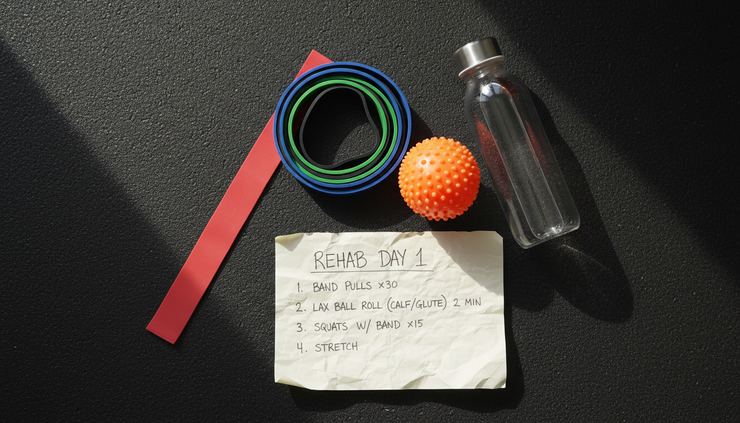
The home program should feel realistic. It should fit the person’s schedule, equipment, and current level. It should also connect to the bigger goal, whether that is returning to sport, training with confidence, working without pain, or moving through the day with less limitation.
Care should help people feel capable again
Pain can make people feel disconnected from their body. Movements that used to feel automatic start to feel risky. A simple task can create hesitation. Sport, training, and work can start to feel unpredictable.
Active, personal, hands-on care helps rebuild that confidence.
It gives people a plan they can understand. It gives them feedback while they move. It helps them learn what their body can tolerate now and what it can build toward next.
That is very different from being placed on a machine and waiting for the appointment to end.
The goal is not only to treat symptoms. The goal is to help people return to the life they care about with more control, more strength, and a better understanding of their body.
Physiotherapy should feel like progress. It should feel like someone is paying attention. It should feel like the treatment was designed for the person in the room.
This article is for general information only and is not a substitute for individual medical advice. Anyone dealing with pain, injury, or changes in function should speak with a qualified health professional for assessment and care.



Comments